
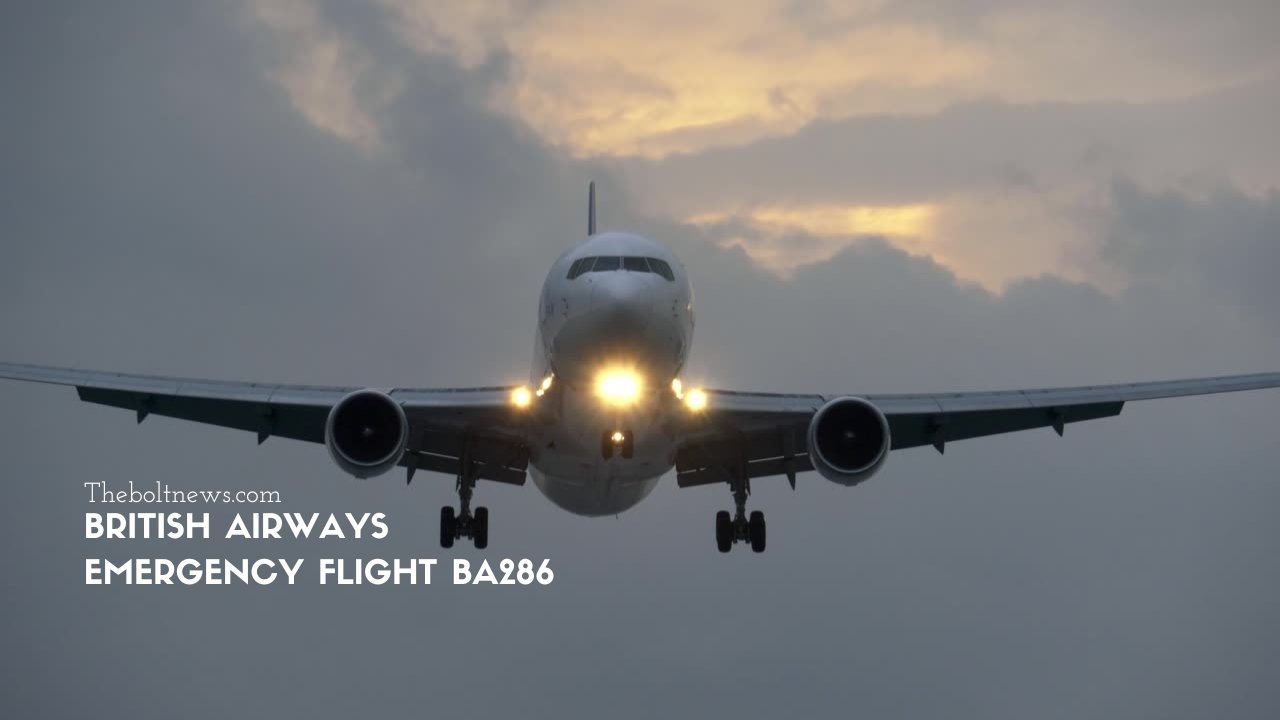
On a routine flight, no one expects the unexpected. However, British Airways Flight BA286 turned a standard journey into an unforgettable experience for its passengers and crew. As clouds gathered over the Atlantic, tension built in the cabin when an urgent situation arose that prompted immediate action. What exactly happened on this emergency flight? Buckle up as we delve into the timeline of events leading up to this extraordinary incident and explore how it unfolded in real-time for everyone onboard.
Timeline of Events Leading up to the Emergency
British Airways Flight BA286 took off from London Heathrow, bound for New York City. Passengers settled into their seats, excited for the journey ahead.
As the plane ascended, a sudden alert rang through the cabin. Crew members quickly began assessing a situation that no one had anticipated.
Within minutes, it became clear that an emergency was unfolding in real-time. The flight crew communicated essential information to passengers while maintaining composure amidst rising tension.
The aircraft turned back towards Heathrow as air traffic control coordinated with ground services to prepare for an urgent landing. Time felt stretched as everyone braced themselves for what lay ahead.
Moments later, after experiencing a turbulent descent filled with uncertainty and questions, BA286 touched down safely on British soil once again.
Passengers’ Experiences and Reactions
As the unexpected turn of events unfolded, passengers on British Airways Flight BA286 found themselves in a whirlwind of emotions. Initially, there was confusion as cabin crew relayed information about the emergency situation.
Some travelers expressed panic, while others tried to maintain composure. Nervous glances exchanged between strangers quickly transformed into supportive gestures—a reassuring pat on the back or a shared word of encouragement.
Many took to social media to document their experiences in real-time. Posts flooded timelines with hashtags like #BA286 and expressions of disbelief at what they were witnessing.
Amidst the anxiety, some passengers began conversing with one another. These interactions helped create an atmosphere that softened fear and fostered camaraderie during a tense moment.
With every passing minute, stories emerged about personal stakes—family waiting at the destination or important business meetings looming ahead. The collective experience shifted from individual concerns to shared humanity in crisis.
Response from British Airways and Airport Authorities
British Airways acted swiftly in response to the emergency involving Flight BA286. The airline’s ground crew was on high alert, coordinating with airport authorities to ensure passenger safety and efficient management of the situation.
Emergency services were quickly dispatched to the scene. Firefighters and medical teams prepared for any potential evacuations or medical emergencies as soon as the flight landed safely. Passengers reported a sense of reassurance knowing that professionals were ready to assist them.
Communication played a crucial role during this incident. British Airways kept passengers informed about what was happening, alleviating some anxiety amid uncertainty. Their transparency fostered trust among travelers who experienced fear during those tense moments.
Airport authorities worked diligently behind the scenes, ensuring that other flights continued operating smoothly while prioritizing safety protocols throughout their facility. This cooperation showcased how well-prepared both entities were when an unexpected situation arose.
Possible Causes of the Emergency
The British Airways Emergency Flight BA286 raised numerous questions about potential causes. Technical malfunctions are often at the forefront of such incidents. Aircraft systems can occasionally fail, creating urgent situations that demand immediate attention.
Another possibility is weather-related challenges. Turbulent conditions or sudden changes in air pressure might have contributed to the emergency declaration. Pilots must navigate these factors with skill and precision.
Human error cannot be overlooked either. Miscommunication among crew members or incorrect assessments of situations can lead to critical decisions being made under pressure.
Fuel issues may also play a role in emergencies. Insufficient fuel levels or contamination could prompt an unexpected diversion for safety reasons.
Each of these factors highlights the complexities involved in aviation operations and the myriad elements that contribute to flight safety challenges.
Safety Measures and Precautions on Flights
Air travel is one of the safest modes of transportation, thanks to rigorous safety measures in place. Airlines like British Airways prioritize passenger well-being through comprehensive protocols.
Before each flight, pilots conduct thorough pre-flight checks. This ensures that all aircraft systems are functioning properly. Maintenance crews regularly inspect planes for any potential issues.
In-flight safety briefings are another critical aspect. Passengers receive vital information on emergency exits, seat belts, and oxygen masks. This knowledge prepares everyone for unexpected situations.
Additionally, cabin crew undergo extensive training to handle emergencies effectively. Their readiness can make a significant difference during crises.
Strict regulations govern baggage handling as well. Items deemed hazardous are prohibited from being taken onboard—a crucial factor in preventing incidents.
These layers of precautions contribute to an overall safe flying experience for travelers worldwide.
Conclusion: Lessons Learned from this Incident
The incident involving British Airways Emergency Flight BA286 serves as a stark reminder of the unpredictability of air travel. Passengers on board were thrust into an unexpected situation that tested their resilience and composure. The swift response from both airline staff and airport authorities showcased the importance of preparedness in crisis scenarios.
It highlights how crucial it is for airlines to maintain rigorous safety protocols. Continuous training for crew members can ensure they are equipped to handle emergencies effectively. Furthermore, clear communication with passengers during such events can help alleviate fears and confusion.
This event also emphasizes the need for ongoing assessments of aircraft technology and systems to identify potential issues before they escalate into crises. Airlines must invest in modern equipment while adhering strictly to maintenance schedules.
Incidents like these remind everyone involved—passengers, crew, and flight operations—that safety is paramount in aviation. Each experience offers valuable lessons that contribute to making air travel safer for all.