
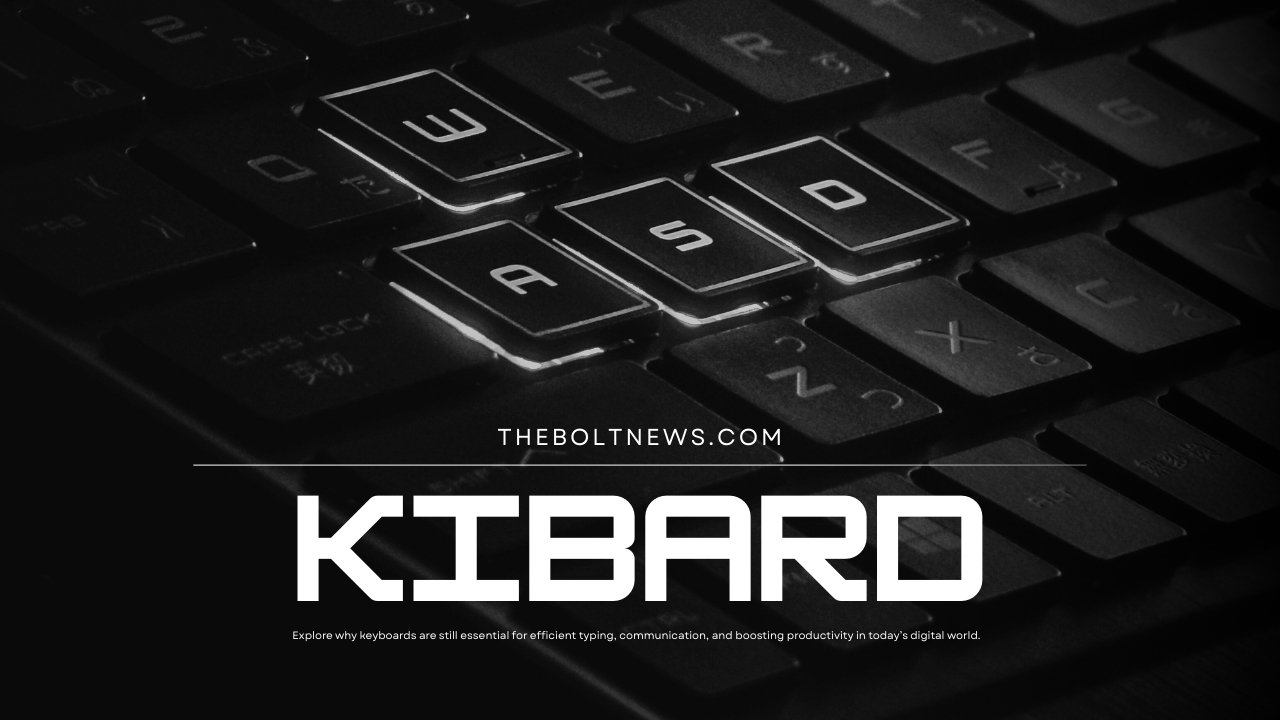
In a world where communication is instant and typing has become second nature, the keyboard stands as an essential tool in our daily lives. Whether you’re firing off emails, coding software, or chatting with friends online, the right keyboard can make all the difference. Enter Kibard – a name synonymous with quality keyboards that elevate your typing experience.
From their historical significance to modern innovations, keyboards have evolved dramatically over time. But why do they matter so much? Let’s explore the journey of these incredible devices and uncover how they shape our interaction with technology and each other.
The History of Keyboards
The history of keyboards dates back to the early days of mechanical typewriters in the 19th century. These devices transformed written communication by allowing users to produce text quickly and efficiently, a revolutionary step forward from pen and paper.
As technology advanced, so did keyboard design. The first computer keyboards emerged in the 1960s, inspired by typewriter layouts but tailored for digital use. With each decade came innovations: from the introduction of electric typewriters to the development of ergonomic designs aimed at enhancing user comfort.
The transition from mechanical keys to electronic switches marked another significant evolution. This shift paved the way for modern keyboards we know today—mechanical or membrane—each offering unique features suited for different users’ needs.
Today’s keyboards come equipped with various functionalities that extend far beyond simple typing, reflecting how integral they have become in our tech-driven lives.
Types of Keyboards: Mechanical vs Membrane
When it comes to keyboards, two main types dominate the market: mechanical and membrane. Each offers distinct features that cater to different user preferences.
Mechanical keyboards are known for their tactile feedback and durability. They use individual mechanical switches beneath each key, which provide a satisfying click with every press. Gamers and typists often prefer these because they allow for greater precision and speed.
On the other hand, membrane keyboards are quieter and more affordable. They utilize a rubber dome under each key that collapses when pressed. While they may lack the same responsiveness as mechanical options, many users appreciate their sleek design and lightweight feel.
Choosing between them often boils down to personal preference. Some love the classic touch of mechanical switches while others enjoy the simplicity of membranes in everyday tasks or casual gaming sessions.
Benefits of Using a Keyboard for Typing and Communication
Using a Kibard for typing transforms the way we communicate. It allows for rapid input, letting thoughts flow without interruption. This speed is invaluable in professional settings where time is money.
Keyboards offer tactile feedback that enhances accuracy. The sensation of pressing keys can reduce errors compared to touchscreens. You’ll find your hands moving smoothly across the keys, making typing feel natural and instinctive.
Additionally, keyboards support various software applications effortlessly. Whether you’re drafting an email or coding complex programs, they provide versatility for all tasks.
Ergonomics also plays a role in comfort during long typing sessions. Many keyboards are designed to minimize strain on wrists and fingers, promoting better posture and reducing fatigue over time.
Using a keyboard often leads to improved organization of ideas through structured formatting options, enabling clearer communication with concise presentations or reports.
How to Choose the Right Keyboard for Your Needs
Choosing the right keyboard can significantly impact your typing experience. Start by considering your primary use. Are you a gamer, writer, or casual user? Each category has different requirements.
Next, think about the type of keys you prefer. Mechanical keyboards offer tactile feedback and durability, while membrane keyboards provide a quieter experience but may feel less responsive.
Ergonomics also play a vital role. A keyboard that supports wrist alignment can prevent strain during long sessions. Look for features like adjustable stands or cushioned palm rests.
Don’t forget about connectivity options. Wireless models offer freedom of movement but require battery management, whereas wired ones ensure consistent performance without lag.
Aesthetic appeal matters too! Choose colors and designs that resonate with your style to enhance your workspace’s vibe. This personal touch makes all the difference in enjoying your setup daily.
Customization Options for Keyboards
Customization options for keyboards are vast, allowing users to personalize their typing experience. From keycap designs to switch types, there’s something for everyone.
Keycaps come in countless colors and materials. Users can choose from ABS plastic or durable PBT options. Some even opt for artisan caps that reflect personal interests.
Switch selection is another exciting aspect of customization. Mechanical switches provide tactile feedback, while membrane switches may offer a quieter experience. Each type affects how typing feels and sounds.
Lighting features also enhance personalization. RGB backlighting can create stunning visual effects or simply match your desk setup.
For gamers and coders alike, programmable keys are invaluable. Custom macros streamline tasks, making workflows more efficient.
With endless possibilities available on platforms like Kibard, enthusiasts can truly make their keyboards unique reflections of their personalities and needs.
The Future of Keyboards: Innovations and Trends
The future of Kibard is poised for exciting transformations. With advancements in technology, we can expect to see more ergonomic designs that prioritize user comfort. This evolution aims to reduce strain during long typing sessions.
Smart features are also on the rise. Imagine keyboards integrated with artificial intelligence that adapt to your typing style or offer predictive text suggestions based on previous inputs.
Wireless and portable options continue to gain popularity, making it easier for users to connect across devices without clutter. Flexibility might soon extend beyond traditional layouts, incorporating customizable keys and layouts tailored specifically for different tasks or preferences.
Additionally, sustainability will likely play a crucial role in keyboard design as manufacturers seek eco-friendly materials and production processes. The intersection of functionality and environmental responsibility could redefine how we view our everyday tools.
Stay tuned; the next generation of keyboards promises innovation like never before!
Conclusion
Kibard have become an integral part of our daily lives, shaping how we type and communicate. The evolution from early typing machines to modern keyboards reflects our growing reliance on technology for communication.
Choosing the right keyboard is crucial, whether you’re a gamer looking for precision or a writer seeking comfort during long sessions. Mechanical keyboards offer tactile feedback and durability, while membrane keyboards provide quiet operation at an affordable price.
Customization options allow users to express their individuality through backlighting, keycap designs, and programmable features. With innovations in wireless technology and ergonomic design on the horizon, the future of keyboards looks promising.
With so many choices available today—from traditional designs to high-tech solutions—finding your perfect match can transform not just your typing experience but also enhance productivity across various tasks. Embrace these advancements as they shape the way we interact with our devices in this digital age. The world of Kibard awaits you!